Flower Hat Jelly care guide
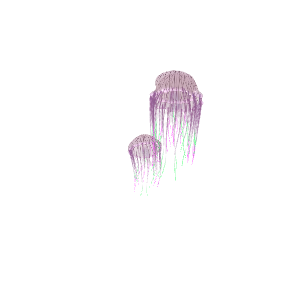
Olindias formosus · Olindiidae
Flower Hat Jelly (Olindias formosus) is an aquarium animal. It belongs to the Olindiidae family. It is native to Northwestern Pacific off central and southern Japan and Jeju Island, South Korea. A hydromedusa (class Hydrozoa), not a true jellyfish.. Water temperature: 15°C – 18°C. Care difficulty: Difficult.
How do you care for Flower Hat Jelly?
| Light | A nocturnal hunter; needs no strong light. Tentacle tips carry fluorescent proteins and glow green under blue or UV light. |
|---|---|
| Temperature | 15°C – 18°C |
| Placement | Chilled public-aquarium display system. By day it rests on the bottom among rocks or algae, then swims up to hunt at night, so give it resting surfaces (pebbles, plants). No salinity or flow figures were found. |
| Growth | Bell up to about 15 cm across (one database lists 12-27 cm). About 2 cm when first seen in December. Wild adult season is roughly December to July; captive lifespan data are limited. |
| Difficulty | Difficult (specialist, large public-aquarium display only; not recommended for home keeping) |
| Family | Olindiidae |
How do you trim and propagate Flower Hat Jelly?
No captive maintenance schedule or diet was found; follow general jelly-tank practice (gentle flow, nothing sharp, clean screens). It hunts small fish in the wild. Polyps bud juvenile medusae at about 15 C; warmer water pushes direct medusa formation.
What problems affect Flower Hat Jelly?
Painful stings to keepers: tentacles carry potent stinging cells, usually causing pain and rash, and one fatality is recorded in Japan. Polyps bud poorly or medusae form too early when water is too warm (above about 15 C).
How do you fix Flower Hat Jelly problems?
Wear gloves and eye protection, avoid skin contact, keep vinegar and medical contact ready (general first aid; check local guidance). Hold polyps near 15 C. Monterey Bay Aquarium has bred it since the first animals arrived from Japan in 2002.
Where does Flower Hat Jelly come from?
Northwestern Pacific off central and southern Japan and Jeju Island, South Korea. A hydromedusa (class Hydrozoa), not a true jellyfish.
What should you know before buying Flower Hat Jelly?
Stinging hydromedusa: usually painful with a rash, and one human fatality has been documented in Japan. Handle only with gloves; keep children and pets away. Not for home aquaria. Never release captive animals into the sea.
Sources
- Flower hat jelly — Wikipedia
- Olindias formosus — Reeflex marine animal database
- Outta-sight jelly babies discovered with a black light — Deep Sea News
- Olindias formosus — Wikipedia
Care details checked against these sources on 2026-10-07.
See Flower Hat Jelly in a living world
- Flower Hat Jelly Dance — aquarium
Last updated · Open the interactive 3D guide · All species care guides