Comb Jelly (Sea Walnut) care guide
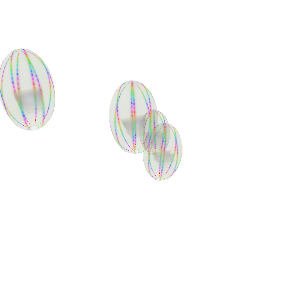
Mnemiopsis leidyi · Mnemiopsidae
Comb Jelly (Mnemiopsis leidyi) is an aquarium animal. It belongs to the Mnemiopsidae family. It is native to Coastal and estuarine waters of the western Atlantic, Americas. Invasive in the Black, Azov, Caspian, Baltic and North Sea regions. A ctenophore (phylum Ctenophora), not a true jellyfish.. Water temperature: 14°C – 18°C. pH: 7.8 – 8.1. Care difficulty: Difficult.
How do you care for Comb Jelly (Sea Walnut)?
| Light | Needs no light. Lab culture uses a 12 h light/dark cycle; spawning follows darkness (about 5-8 h after sunset). |
|---|---|
| Temperature | 14°C – 18°C |
| pH | 7.8 – 8.1 |
| Placement | Round kreisel-style tank, 6-15 L upwards, with a screened outlet, chilled. Salinity about 28-30 ppt. No substrate, rock or decor; the animals drift mid-water. |
| Growth | Adults about 7-12 cm, about 97 percent water. Reach over 30 mm in roughly 3-4 weeks. One individual was kept more than 3.5 years in a lab culture. |
| Difficulty | Difficult (specialist plankton feeder, very fragile; not a beginner species) |
| Family | Mnemiopsidae |
How do you trim and propagate Comb Jelly (Sea Walnut)?
Routine upkeep of a chilled marine recirculating system: remove uneaten live food and keep inlet/outlet screens clean so flow stays gentle. Feed live plankton daily (rotifers, newly hatched Artemia, copepods); a varied diet over weeks gives good spawning. Simultaneous hermaphrodite that can self-fertilise; larvae are planktonic.
What problems affect Comb Jelly (Sea Walnut)?
Bodies tear on contact with screens, walls, air bubbles or strong jets. Egg output or hatch is poor on a narrow diet. Animals shrink and decline with too little live plankton or warm water.
How do you fix Comb Jelly (Sea Walnut) problems?
Use gentle circular flow, screened outlets and no bubbles; move animals only in a container underwater, never through air. Rotate rotifers, Artemia and copepods over several weeks. Feed live food daily and hold the chilled range.
Where does Comb Jelly (Sea Walnut) come from?
Coastal and estuarine waters of the western Atlantic, Americas. Invasive in the Black, Azov, Caspian, Baltic and North Sea regions. A ctenophore (phylum Ctenophora), not a true jellyfish.
What should you know before buying Comb Jelly (Sea Walnut)?
No sting: comb jellies lack the stinging cells of true jellyfish. Never release into natural waters or drain tank water outdoors: ballast water carried it into the Black Sea in the 1980s, where it boomed to hundreds per cubic metre and was linked to fishery collapse; it later spread to the Caspian (late 1990s) and the Baltic. Use closed systems and sterilise discard water.
Sources
- Mnemiopsis leidyi — Wikipedia
- Stable laboratory culture system for the ctenophore Mnemiopsis leidyi — PubMed Central (peer-reviewed methods paper)
- Bolinopsis infundibulum — Reeflex marine animal database
- Mnemiopsis meeting report (Caspian Environment Programme) — IW:LEARN archive of Caspian Environment Programme
Care details checked against these sources on 2026-10-07.
See Comb Jelly (Sea Walnut) in a living world
- Rainbow Comb Jellies — aquarium
Last updated · Open the interactive 3D guide · All species care guides