Clown Loach care guide
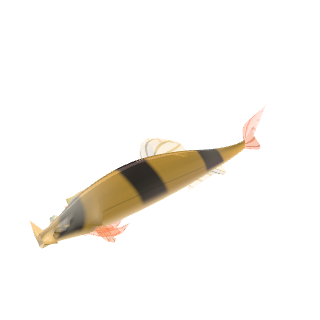
Chromobotia macracanthus · Botiidae
Clown Loach (Chromobotia macracanthus) is an aquarium animal. It belongs to the Botiidae family. It is native to River systems of Borneo and Sumatra in Indonesia; Bornean and Sumatran populations differ slightly in pattern. In the Batang Hari, Sumatra, drifting larvae are now collected.. Water temperature: 24°C – 30°C. pH: 5.0 – 7.0. Care difficulty: Moderate to demanding because it needs a very large tank and a group.
How do you care for Clown Loach?
| Temperature | 24°C – 30°C |
|---|---|
| pH | 5.0 – 7.0 |
| Placement | Bottom to mid-water; a group needs a tank of at least 180 × 60 cm (~648 litres), soft water (1–12 dGH). |
| Growth | Grows large: up to about 40 cm (16 in) standard length; can live more than 20 years. |
| Difficulty | Moderate to demanding because it needs a very large tank and a group |
| Family | Botiidae |
How do you trim and propagate Clown Loach?
Chiefly carnivorous: molluscs, insects and worms; in captivity it is unfussy, but needs quality dried food, frozen or live bloodworm, Tubifex and Artemia plus fresh fruit and vegetables (cucumber, melon, blanched spinach, courgette). It may eat soft-leaved plants.
What problems affect Clown Loach?
Not especially aggressive, but its size and active behaviour can intimidate much smaller fish; slow, long-finned fish (bettas, guppies, many cichlids) may be nipped.
How do you fix Clown Loach problems?
Only keep it if you have the tank, and do not mix it with very small or long-finned fish.
Where does Clown Loach come from?
River systems of Borneo and Sumatra in Indonesia; Bornean and Sumatran populations differ slightly in pattern. In the Batang Hari, Sumatra, drifting larvae are now collected.
What should you know before buying Clown Loach?
Widely sold small but wholly unsuitable for small aquaria; it can live more than twenty years, a long-term commitment.
Sources
- Chromobotia macracanthus (Clown Loach) — Seriously Fish
- Chromobotia macracanthus — FishBase
Care details checked against these sources on 2026-10-29.
Last updated · Open the interactive 3D guide · All species care guides